
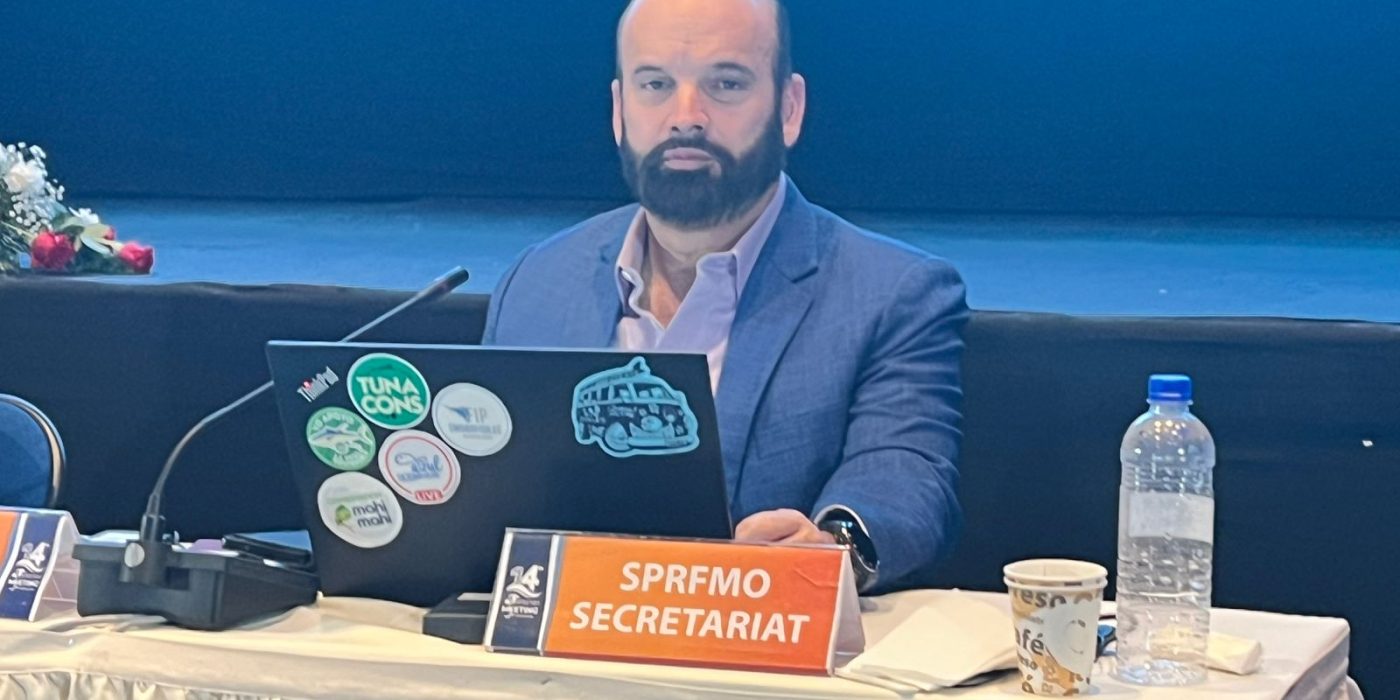
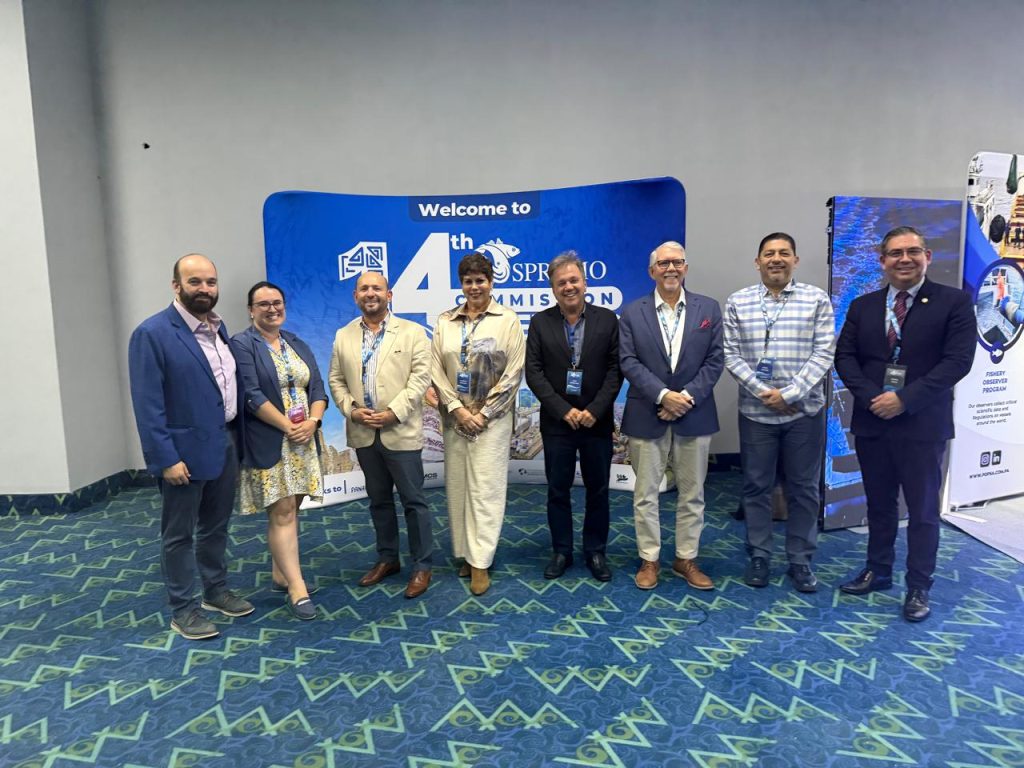
En el marco de la reunión anual de la Comisión de Pesca del Pacífico Sur, SPRFMO, realizada en la ciudad de Panamá, se llevó a cabo el evento paralelo “Tratado BBNJ y próxima PrepCom: implicaciones para la pesca en alta mar”.
Este espacio de diálogo reunió a representantes de gobiernos, especialistas en derecho del mar, organizaciones regionales y actores del sector pesquero para analizar los posibles impactos del nuevo Acuerdo sobre Biodiversidad Marina en Áreas Fuera de la Jurisdicción Nacional, conocido como BBNJ.
La sesión fue organizada por PHAFSA, la Fundación TUNACONS, la Cámara Nacional de Pesquería del Ecuador, FIPESCA y OSPESCA, con el objetivo de promover un análisis técnico y constructivo sobre los desafíos y oportunidades que plantea este nuevo instrumento internacional.
Durante el encuentro se destacó la importancia del principio de “no menoscabo”, que establece que la implementación del tratado BBNJ no debe afectar las competencias de las Organizaciones Regionales de Ordenación Pesquera, las OROP, responsables de la gestión sostenible de las pesquerías en alta mar.
El director ejecutivo de TUNACONS, Guillermo Morán Velásquez, participó en el cierre del evento, resaltando la necesidad de mantener una coordinación efectiva entre Estados, organismos regionales y sector pesquero, para asegurar que las decisiones sobre gobernanza oceánica se basen en evidencia científica y consideren también los aspectos sociales y económicos de la pesca.
El diálogo concluyó con un llamado a fortalecer la participación del sector pesquero en el proceso de implementación del BBNJ, promoviendo una gobernanza del océano que combine conservación de la biodiversidad y uso responsable de los recursos marinos.
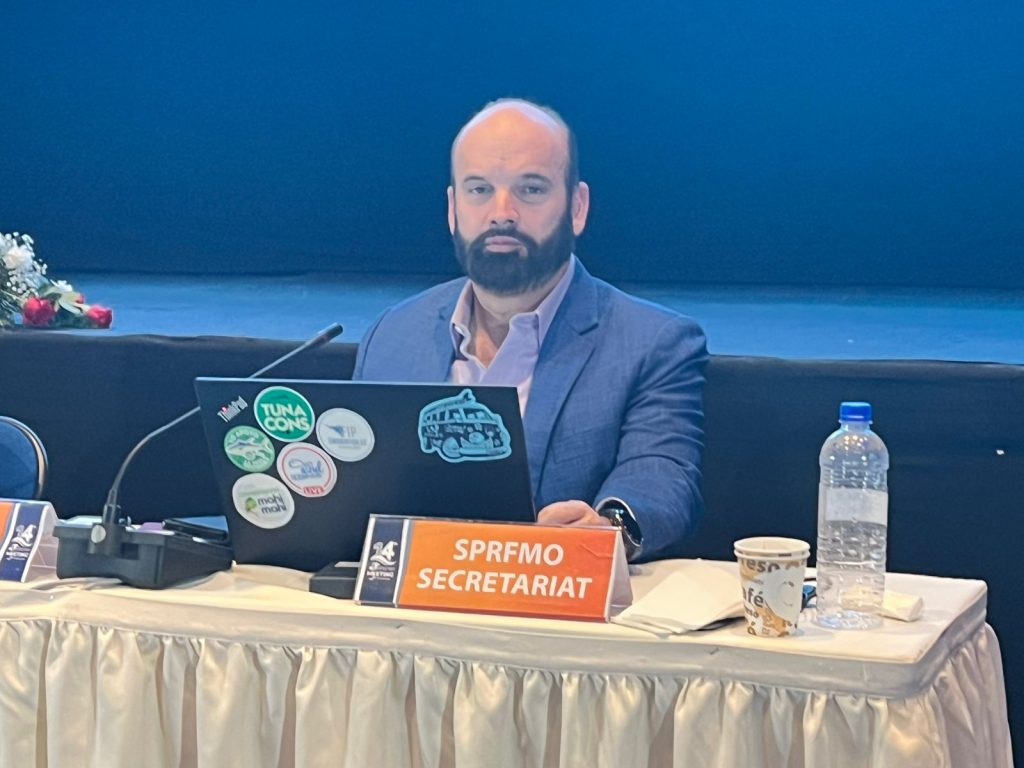
Fisheries Sector Discusses Implications of the BBNJ Treaty During the SPRFMO Annual Meeting
Within the framework of the annual meeting of the South Pacific Regional Fisheries Management Organisation (SPRFMO), held in Panama City, the side event “BBNJ Treaty and the Upcoming PrepCom: Implications for High Seas Fisheries” was convened.
This dialogue space brought together government representatives, experts in the law of the sea, regional organizations, and stakeholders from the fisheries sector to analyze the potential impacts of the new Agreement on the Conservation and Sustainable Use of Marine Biodiversity of Areas Beyond National Jurisdiction, commonly known as BBNJ.
The session was organized by PHAFSA, the TUNACONS Foundation, the Ecuadorian National Chamber of Fisheries (CNP), FIPESCA, and OSPESCA, with the objective of promoting a technical and constructive discussion on the challenges and opportunities presented by this new international instrument.
During the meeting, participants highlighted the importance of the principle of “non-undermining,” which establishes that the implementation of the BBNJ Treaty should not affect the mandates of Regional Fisheries Management Organizations (RFMOs), which are responsible for the sustainable management of high seas fisheries.
The Executive Director of TUNACONS, Guillermo Morán Velásquez, participated in the closing of the event, emphasizing the need to maintain effective coordination among States, regional organizations, and the fisheries sector to ensure that decisions on ocean governance are based on scientific evidence and take into account the social and economic dimensions of fishing activities.
The dialogue concluded with a call to strengthen the participation of the fisheries sector in the BBNJ implementation process, promoting ocean governance that balances biodiversity conservation with the sustainable use of marine resources.
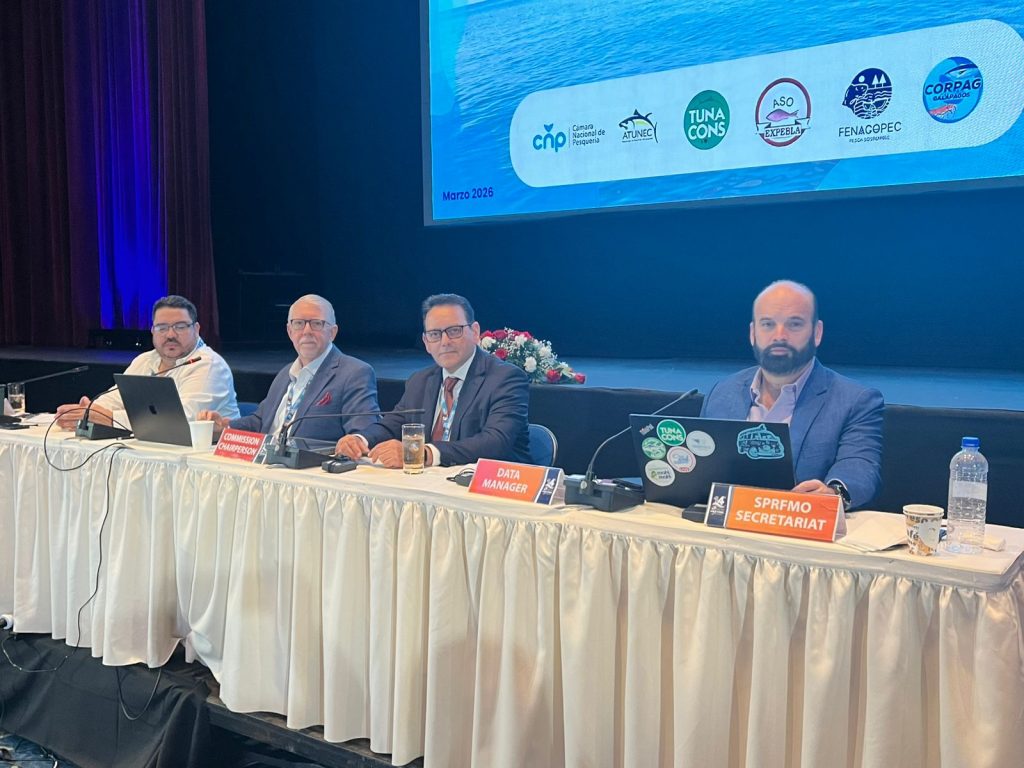
Fischereisektor diskutiert Auswirkungen des BBNJ-Abkommens während der jährlichen SPRFMO-Tagung
Im Rahmen der jährlichen Tagung der Südpazifischen Regionalen Fischereimanagementorganisation (SPRFMO), die in Panama-Stadt stattfand, wurde die Nebenveranstaltung „BBNJ-Abkommen und kommende PrepCom: Auswirkungen auf die Hochseefischerei“ durchgeführt.
Diese Dialogplattform brachte Regierungsvertreter, Experten für Seerecht, regionale Organisationen sowie Akteure des Fischereisektors zusammen, um die möglichen Auswirkungen des neuen Abkommens über die Erhaltung und nachhaltige Nutzung der marinen Biodiversität in Gebieten außerhalb nationaler Hoheitsgewalt, bekannt als BBNJ, zu analysieren.
Die Sitzung wurde von PHAFSA, der Stiftung TUNACONS, der Nationalen Fischereikammer Ecuadors (CNP), FIPESCA und OSPESCA organisiert, mit dem Ziel, eine technische und konstruktive Analyse der Herausforderungen und Chancen dieses neuen internationalen Instruments zu fördern.
Während des Treffens wurde die Bedeutung des Prinzips der „Nichtbeeinträchtigung“ hervorgehoben, das festlegt, dass die Umsetzung des BBNJ-Abkommens die Zuständigkeiten der Regionalen Fischereimanagementorganisationen (RFMOs), die für die nachhaltige Bewirtschaftung der Hochseefischerei verantwortlich sind, nicht beeinträchtigen darf.
Der Exekutivdirektor von TUNACONS, Guillermo Morán Velásquez, nahm an der Abschlussrunde der Veranstaltung teil und betonte die Notwendigkeit einer wirksamen Koordination zwischen Staaten, regionalen Organisationen und dem Fischereisektor, um sicherzustellen, dass Entscheidungen zur Meeresgovernance auf wissenschaftlicher Evidenz basieren und auch die sozialen und wirtschaftlichen Aspekte der Fischerei berücksichtigen.
Der Dialog endete mit einem Aufruf, die Beteiligung des Fischereisektors am Umsetzungsprozess des BBNJ-Abkommens zu stärken und eine Meeresgovernance zu fördern, die den Schutz der Biodiversität mit der nachhaltigen Nutzung der marinen Ressourcen in Einklang bringt.